Google+ PetsVentura® : PET'S CARE
Showing posts with label PET'S CARE. Show all posts

PetsVentura Pets Day Care in Buenos Aires


Pets Day Care in San Isidro - Martinez

Daycare Hours: Monday-Friday 7am-6:30pm


Hourly USD$8 for the 1st hour and $4 for each additional hour.


Reservation only!

Tel: 54 (11) 5292-6001


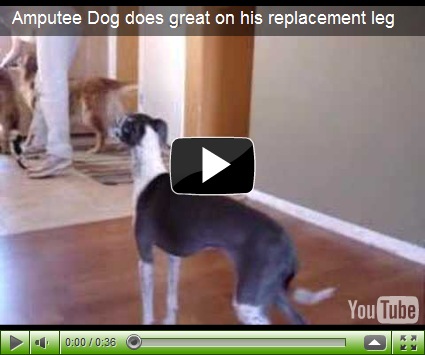
PROSTHESIS FOR DOG AND CATS


A dog or a cat that may need prosthesis is first evaluated to determine what kind of device is best. The dog is appraised using information about any deformity they may have, and the aspects specific to the injury if they received one. Their physical activities and living environment are also taken into consideration

After the evaluation, a cast is made of the part of the body the prosthesis will be used for. The time it takes to manufacture a prosthetic device is typically about five to ten business days. The time can vary depending on which joints of the dog’s body need to be considered, as well as the type of prosthetic and the chosen material it will be manufactured from. As each dog is different, so is the device made for them.

Prosthetics are not intended to be worn 24/7; the dog will need a break from time to time. Because of the materials they’re made from, a prosthetic device will not change its shape or break down over time.

To ensure a good fit, the dog needs to use the prosthesis for several weeks. Owners need to watch the prominent bone involved and the dog’s hair and skin for any signs of wear, which will help to determine how well the prosthesis is fitting the dog.

By watching the dog use the prosthetic device on a daily basis during regular activities, owners can also determine if it is the proper device for their dog. Adjustments and repairs may need to be made from time to time to make sure the prosthesis keeps doing what it was constructed to do in the proper manner

There are several things to consider when looking into a prosthetic device for a dog or a cat. First and foremost is whether or not the pet would benefit from it both physically and emotionally, and is it in their best interest, or is it to assuage feelings of guilt you may have? Will it add fulfillment and quality to their daily life? The cost of the device and subsequent fittings should also be considered, and whether or not you can afford it.


For more information about PetsVentura Veterinary Services

 
Veterinary HouseCall

Allergies in Dogs


Just like people, dogs can show allergic symptoms when their immune systems begin to recognize certain everyday substances—or allergens— as dangerous. Even though these allergens are common in most environments and harmless to most animals, a dog with allergies will have an extreme reaction to them. Allergens can be problematic when inhaled, ingested or contact a dog’s skin. As his body tries to rid itself of these substances, a variety of skin, digestive and respiratory symptoms may appear


What Are the General Symptoms of Allergies in Dogs?
Itchy, red, moist or scabbed skin
Increased scratching
Itchy, runny eyes
Itchy back or base of tail (most commonly flea allergy)
Itchy ears and ear infections
Sneezing
Vomiting
Diarrhea
Snoring caused by an inflamed throat
Paw chewing/swollen paws
Constant licking
    Allergic dogs may also suffer from secondary bacterial or yeast skin infections, which may cause hair loss, scabs or crusts on the skin.
    Any dog can develop allergies at any time during his life, but allergic reactions seem to be especially common in terriers, setters, retrievers, and flat-faced breeds such as pugs, bulldogs and Boston terriers.

    A few common allergens include:
    Tree, grass and weed pollens
    Mold spores
    Dust and house dust mites
    Dander
    Feathers
    Cigarette smoke
    Food ingredients
    Prescription drugs
    Fleas and flea-control products
    Perfumes
    Cleaning products
    Fabrics
    Insecticidal shampoo
    Rubber and plastic materials
      Dogs with a food allergy will commonly have itchy skin, breathing difficulties or gastrointestinal problems like diarrhea and vomiting, and an elimination diet will most probably be used to determine what food he is allergic to. If your dog is specifically allergic to chicken, for example, you should avoid feeding him any products containing chicken protein or fat.

      If your dog’s itchy, red or irritated skin persists beyond initial treatment by a veterinarian, allergy testing, most often performed by a veterinary dermatologist, is likely warranted. The diagnostic test of choice is an intradermal skin test similar to the one performed on humans.

      The only way to diagnose a food allergy is to feed your dog a prescription or hydrolyzed protein diet exclusively for 12 weeks. The importance of not feeding your dog anything but the diet cannot be emphasized enough—that means no treats, table food or flavored medication. This diet will be free of potential allergy-causing ingredients and will ideally have ingredients your dog has never been exposed to. He’ll remain on the diet until his symptoms go away, at which time you’ll begin to reintroduce old foods to see which ones might be causing the allergic reaction.

      Please note, many dogs diagnosed with a food allergy will require home-cooked meals—but this must be done in conjunction with your veterinarian, as it requires careful food balancing.
      The best way to treat allergies is to remove the offending allergens from the environment.
      Prevention is the best treatment for allergies caused by fleas. Start a flea control program for all of your pets before the season starts. Remember, outdoor pets can carry fleas inside to indoor pets. See your veterinarian for advice about the best flea control products for your dog and the environment.

      If dust is the problem, clean your pet’s bedding once a week and vacuum at least twice weekly—this includes rugs, curtains and any other materials that gather dust. 
      Weekly bathing may help relieve itching and remove environmental allergens and pollens from your dog’s skin. Discuss with your vet what prescription shampoos are best, as frequent bathing with the wrong product can dry out skin.

      If you suspect your dog has a food allergy, she’ll need to be put on an exclusive prescription or hydrolyzed protein diet. Once the allergy is determined, your vet will recommend specific foods or a home-cooked diet.

        Since certain substances cannot be removed from the environment, your vet may recommend medications to control the allergic reaction:


        In the case of airborne allergens, your dog may benefit from allergy injections. These will help your pet develop resistance to the offending agent, instead of just masking the itch. 
        Antihistamines such as Benadryl can be used, but may only benefit a small percentage of dogs with allergies. Ask your vet first. 


        Fatty acid supplements might help relieve your dog’s itchy skin. 
        There are also shampoos that may help prevent skin infection, which occurs commonly in dogs with allergies. Sprays containing oatmeal, aloe and other natural products are also available.
        An immune modulating drug may also be helpful. 


        There are several flea-prevention products that can be applied monthly to your dog’s skin.
        If the problem is severe, you may have to resort to cortisone to control the allergy. However these drugs are strong and should be used with caution and only under the guidance of your veterinarian

          For more information about your Pet Allergies contact PetsVentura Veterinarians:

          Veterinary HouseCall

          In-Room Pet Care Services at your Hotel or Resort in Buenos Aires, Argentina


          PetsVentura is proud to offer our private, in-room Pet Care Services at your hotel or resort.

          dog walker_Argentina_Petsventura 
          While visiting Buenos Aires your family pet is here on vacation, but can’t always attend the area of attractions. Enjoy your day knowing that your beloved pet is in good hands and having fun!   

          Our Pet Care Service gives you the flexibility to create your own hours while on vacation. 


          Our professional caregivers provide one-on-one pet care in the comfort of your hotel room. They will ensure that your pet receives on-time feedings, necessary medications, relaxing walks, fun-filled playtime, and potty breaks.

          Our caregivers are loving professionals who primarily care for pets at area hotels through our private, in-room Pet Care services.
          PetsVentura Walker


          Rest assured knowing that they will give the same high-quality care to your treasured animal.


          contact us

          Pet travel and health tips

          When traveling by car, pack a simple pet first-aid kit that includes assorted bandages, antiseptic cream, an antidiarrheal medication that is safe for pets (ask your veterinarian to suggest a product), gauze squares, and the phone numbers of your veterinarian, a national poison control hotline, and a 24-hour emergency veterinary hospital.

          In addition to a standard identification tag (which should be labeled with your name, home address, and phone number), your pet's collar should include a travel tag with information on where you are staying while away from home. Should your pet become lost, this will allow you to be contacted locally.

          Perform a daily "health check" on your pet when away from home. In unfamiliar surroundings, your pet's appetite, energy, and disposition may change. Watch for unusual discharges from the nose and eyes, excessive scratching or biting of any body part, abnormal elimination, or excessive water consumption. Visit a local veterinarian if you are concerned about any physical or behavioral changes.

          Rabies Regulations and Prevention

          It is important to be aware of preventive measures and legislation in place regarding rabies at destination as these vary from country to country. There are also actions you can take on a daily basis to lessen the risk of infection.

          Although rabies is one of the oldest known viral diseases, it still remains a persistent problem worldwide.

          It is mainly transmitted through the bite of an infected animal with most registered cases occurring amongst wild animal populations such as raccoons, bats, skunks and foxes.

          Although animal rabies is more common in developing countries in Africa, Asia and Latin America, it can arise in animals anywhere in the world.

          In addition to numerous pets and other animals dying from this disease, about 55,000 human fatalities also occur each year despite the fact it is easily preventable if the appropriate steps are taken.

          For these reasons, many countries have strict import rules when it comes to your pet’s health history and documents.

          Most countries, with regards to rabies and the import of pets, will require an International Health Certificate and an anti-rabies vaccination record.
          Some authorities will also require a rabies antibody test to be taken prior to the import of your pet. The list of these countries or states include Norway, Sweden, Great Britain, Ireland, Malta, Israel, Singapore, New Zealand, Australia, Japan, the state of Hawaii, the territory of Guam and the Cayman Islands.

          Authorities request these documents in varying time frames prior to entry, so make sure you work within these time frames as authorities are very stringent.

          Even when your pet is vaccinated, a mandatory procedure in most countries, the danger from wild animals and the proliferation of the virus on a global scale still remains.

          Here are some tips on how to keep your pet safe and prevent further infections:

          Vaccinate all your animals against rabies. This includes pets such as dogs, cats and ferrets and livestock such as sheep, cattle and horses
          • Don’t let your pets wander unsupervised, as exposure to rabid wildlife is the biggest threat to infection
          • Neutering your pets will make them less likely to want to interact with wildlife
          • Contact the relevant authorities to remove stray animals or those acting sick in your area
          • Never touch unfamiliar animals whether domestic or wild
          • Don’t touch dead animals
          • Remove all feed or water bowls from your outdoor spaces as stray animals will even be attracted to them when they are empty
          • Cover your garbage to avoid attracting wild animals

          If your pet is bitten, scratched or somehow exposed to saliva from a potentially infected animal

          • You must take them to your veterinarian immediately
          • Pets that have valid vaccinations are usually kept under observation for 45 days, those  
            without one are dealt with on a case-to-case basis
          • Contact the relevant authorities to remove the stray animal if applicable

          If you are bitten, scratched or somehow exposed to saliva from a potentially infected animal

          • You should in a first instance wash the wound thoroughly with soap
          • Then you should immediately see a doctor for post-exposure treatment
          • Make sure also to report the bite to your local health department or equivalent
             in your country
          • Contact the relevant authorities to remove the stray animal if applicable

          For further information about rabies regulations and general pet relocation services, please do not hesitate to contact us at EMAIL . One of our dedicated Pet Transportation agents will follow up with you shortly with a quote tailor-made to your needs.
          Reblog this post [with Zemanta]

          PETS DAYCARE


          Since we usually can't take our pet/s to work, movies, restaurants, or shopping, they stay at home for hours on end. They are Bored, Frustrated, Anxious and Lonely.

          Stay N’Play Pets Daycare™ is the Answer you are looking for. We provide constant supervision and play time. We love pets and can't think of a better way to spend the day than hanging out with friends like us.

          The purpose of Stay N’Play Pets Daycare™ is to provide a safe, fun, and stimulating environment for dogs during the day while their owners are at work or away. To ensure the safety and health of your dog and others, we require all dogs to comply to the following rules and regulations to play.

          RULES:

          AGE
          • All dogs must be three months of age or older.
          • We suggest that all dogs be spayed or neutered by 6 months of age.

          VACCINATIONS

          All dogs must be up-to-date on all vaccinations. We will need to see proof that all dogs have received Rabies and DHLPP within the past seven days to twelve months. All puppies under six months of age must have had at least two series of DHLPP before entering STAY N'PLAY PETS DAYCARE ™. All dogs must be on a year round flea preventative.

          HEALTH

          All dogs must be in good health. Owners will need to certify that their dog(s) are in good health and have not been ill in the last 30 days. On admission all dogs must be free from any condition which would potentially jeopardize any other dogs. Dogs who have been ill with a communicable condition in the last 30 days will require veterinarian certification of health to be admitted or readmitted.

          BEHAVIOR


          All dogs must be non-aggressive and not food or toy protective. Owners will need to certify that their dog(s) have not harmed, shown aggression or threatening behavior towards any person or any other dog.

          APPLICATION

          All dogs must have an up-to-date and approved application on file.

          HOURS

          Monday-Friday: 7am-6pm.


          For further information contact us:

          ARGENTINA:
          TEL: +54 11 4836-2290

          USA:
          TEL: 818 627-6256

          Nutrition and Weight Management for Dogs and Cats


          DSC_0217Nearly 60% of adult dogs are overweight or likely to get that way due to their age or activity level.


          Do you have difficulty feeling your pet’s ribs?
          Is there little or no ”waist” (the indentation in the area between where the ribs end and the hips begin)?
          Do you give your pet table scraps or leftovers?
          Is your pet reluctant to exercise?
          Does your pet seem to tire easily with activity?
          Does your pet waddle when walking?
          Does your pet keep eating as long as there’s foods in the bowl?


            If you answer yes to any of the questions your pet should be on weight management program including exercise and a low calorie diet.

            Totally eliminate table scraps.
            That's hard to do when those big eyes are pleading with you, but table scraps can add too many calories and too much fat to your pet's diet. Go for a walk or enjoy some playtime with a favorite ball or toy. Reward your pet with extra playing or brushing time.


            Consider switching to a lower calorie dog food.
            Many of the light pet foods on the market today taste so good pets won't realize they're eating "diet food". Watch out for additives. Make sure the food you choose is 100% nutritionally compete and balanced.

            Reblog this post [with Zemanta]

            El Gato Feliz y Sin Estrés


            Hay un nuevo bebé? Un nuevo perro? Otro gato? O puede ser la suegra que se muda a su casa?
            Usted se mudó últimamente?
            Su rutina ha cambiado? Trabaja en horarios diferentes o está menos tiempo en casa?

            Pese su naturaleza independiente – gatos en la vida salvaje solamente se encuentran para tener sus cachorros - gatos domésticos sufren por estar aburridos o estresados. Entonces, si usted piensa que los cambios excesivos son la causa de los cambios en el comportamiento de su gato, !withoutstressdéjelo feliz dándole más atención y más de su tiempo cuando está en casa.

            Limite el tiempo de interacción entre su gato y la causa del estrés (otro gato o un nuevo bebé), y gradualmente hágalo enterarse de la novedad.

            Un gato sin estrés deja la casa feliz y él está feliz.

            CANINE MASSAGE THERAPY

            Massage is a perfect complimentary therapy in a well-rounded holistic approach to your dog's health -- physically, emotionally, and mentally!
            By gently manipulating soft tissue (muscle, skin, fascia, tendons, ligaments) Massage Therapy has many deep profound physiological effects and never fails to amaze me with how a dog responds to a treatment. Canine Massage Therapy can:
              dogmessage
            Improve mobility
             
            Relieve areas of soreness, tension, discomfort and spasm 
            Promote a speedier return to health from injury or surgery 
            Encourage the removal of toxins and metabolic waste from the blood and lymphatic system 
            Reduce stiffness and swelling 
            Help to build wasted muscle and improve tone in the aging or convalescing dog 
            Help to alleviate nervousness, depression, lack of focus and unwanted behavior 

            Improve the performance of the agility or working dog. Sooth the symptoms associated with common pathologies e.g.: Hip Dysplasia, spondylosis, osteo-arthritis 
            Help to calm down boisterous behavior 
            Induce relaxation 
            Help to correct gait irregularities 
            Promote a healthy coat and skin 
            Increase the flow of oxygen and nutrients to tissues 
            Re-educate the neuro-muscular system to aid it in realizing its full potential in terms of full movement, mobility and function 
            Aid in the breakdown of old scarring, adhesions, fibrous tissue and to release adhered skin
              Massage Therapy can help to soothe the pain associated with:
              Hip Dysplasia Osteoarthritis Spondylosis Ageing Post Operation/Injury Collisions e.g.: with other dogs
              message

              By helping to manage pain, soothe aching joints and increase the flow of blood and nutrients to the body, massage can help to improve mobility and flexibility in your dog.

              Beneficial for dogs who:

              Participate in competitive physical Exercise e.g.: agility, field trials,

              Are inactive

              The older dog

              Dogs who are convalescing from accidents ie: road traffic accidents, falls

              Working dogs that have demanding jobs
                We provide your pet with a massage session in the comfort of their own home or our office. Each session tailored to fit your dog's needs.


                For further information contact us:
                ARGENTINA:
                TEL: +54 11 5292-6001

                USA:
                TEL: 818 627-6256


                Reblog this post [with Zemanta]

                Pet Blood Bank UK ( PBBuk)


                pbb
                is a non profit organization in the UK for dog lovers. The organization provides dog lovers access to a UK-wide blood transfusions. 

                At the present time PBBuk is only able to collect and supply canine blood, however it is planned that in the future we will also collect and supply feline blood, providing the same service for cat owners.

                Consultant Canine


                11dogsowners.18 As the Consultant Canine I teach you to live in perfect harmony with your dog. Every dog is unique and its well being and yours is my top priority.

                Having studied dog psychology and with a life time’s experience of being around dogs, I use gentle, kind methods to help you train your dog and build a better understanding of canine behavior and language.


                I teach you to think and work in a different way, using the latest scientific research, which is starting to question our understanding of “dominance” in the dog "pack" and the correct use of discipline as a way of training dogs or changing a unwanted behavior.

                I have a strong commitment to up-dating my knowledge and am currently studying an advanced course in treating severe aggression.

                Consultations are individual and done at your home, With all the family present where possible.
                each consultation is specific to your dog and its needs.
                practical advice is given on the day  and a tailor made behavior program will follow .

                Normally Unless it's a very severe case, one consultation is sufficient.

                Contact us:
                Phone:
                +54 (11) 5292-6001 (Argentina’ Office)

                Living with pets in Singapore

                Meet Dog Lovers dog and girl
                US Doggie Bakery
                335 East Coast Toad (Caltex Station)
                Tel: 6346 7168
                Greedy Pet Bakery
                230 Tanjong Katong Road
                Tel: 6344 1554
                Munchies Cafe
                2 Sin Ming Road
                #01-07b 1 Sin Ming Plaza
                Tel: 6452 7186

                Boarding Kennels
                Pet's 'N' Pedigree
                23 Serangoon Garden Way
                Tel: 6 382 867735 1975
                Mitchville K-9 Kennels
                Plot T92 Seletar West
                Farmway 1
                Tel 482-008435 1975
                The Pet Hotel
                Lot 20
                Pasir Ris Farmway 2
                Tel: 0065 6 545-7522
                Fax: 0065 6 583-4986
                Ericcson Pet Farm Pte Ltd
                Lot 16 Pasir Ris
                Farmway 2


                Pet Grooming
                Snips & Clips
                28 Holland Grove Road
                Tel: 6469 4239
                Pet's Cradle
                17 Anamalai Ave (off 4th Avenue)
                Tel: 6466 3413
                Esde's Hotdog Grooming http://www.hotdog.com.sg/Grooming_service.asp
                268 River Valley Rd
                Tel: 6736 4065   
                Lost & Found Pets
                PETS LOST
                Agri-Food & Vet Authority of Singapore

                6222 1277 and
                1800 476 1600
                Pet Transportation

                PET EMERGENCY TAXI
                (24 HOURS)

                6581 3688
                HP 9099 8511 (8 pm to 8 am)
                ANIMAL WELFARE & CONTROL
                6472 6369
                THE ANIMAL CLINIC
                6777 0273
                ANIMAL MEDICAL CENTER
                6776 8858
                MOUNT PLEASANT ANIMAL HOSPITAL
                6250 8333
                SPCA STRAY REPORT
                6254 3326
                PET LOST/SPCA
                6287 5355
                CRUELTY TO ANIMALS ABANDONMENT
                ( Ava Center for Animal Welfare & Control)

                6471 7198
                1800 476 1600
                PETS, STRAYS
                Agri-Food & Vet Authority of Singapore

                1800 476 1600
                Dog Licensinghttp://bit.ly/4ZiVwc
                Pet Cremation
                Toa Payoh Pet Services
                Tel: 6 254 3326 and 245 2728
                The Pet Hotel
                Cremation and Columbarium
                No. 20 Pasir Ris
                Farmway II
                Tel: 6582 2222
                Various
                          Tel: 62875355

                Technorati Tags:
                Reblog this post [with Zemanta]

                USDA DISTRIBUTES ORAL RABIES VACCINE IN NEW YORK


                WASHINGTON, Aug. 27, 2009--Wildlife Services (WS), a program within the U.S. Department of Agriculture’s Animal and Plant Health Inspection Service, will distribute oral rabies vaccine baits beginning on or about August 28 to prevent the spread of raccoon rabies in portions of western and northern New York.
                In cooperation with the New York State Department of Health and key agencies, 845,200 oral rabies vaccination (ORV) baits targeting raccoons will be distributed by several methods over a 5,180 square mile area. Over the next two weeks, personnel from WS and its cooperators, along with volunteers, will be hand baiting populated areas by vehicle. Fixed-wing aircraft and helicopters will assist with the distribution of ORV baits over more rural areas.
                Additional information concerning the raccoon oral rabies vaccine program, please visit http://www.aphis.usda.gov/wildlife_damage/rabies.shtml or contact WS toll free at 1–866–4–USDA–WS (1–866–487–3297).


                Map picture


                Technorati Tags: ,,,

                HONEY USE WITH ANIMALS


                Treatment options other than antibiotics use on pets such as honey. Honey may be a safe, effective and affordable treatment option in many cases.


                Masticatory Muscle Myositis


                17ckcssorejaw1Ginger had been a completely normal puppy, playing 
                enthusiastically, and eating hungrily. Over a twelve-hour period, everything changed. She became dull and quiet, no longer wanting to play, and she stopped eating. When her owner reached out his hand to pet her head and reassure her, she backed away, and yelped as if in pain.

                Ginger will be able to lead a relatively normal life
                Ginger was brought in to see me at once. She sat on the consulting table, looking miserable. She wouldn’t let me open her mouth at all. Was there something stuck inside her mouth? I admitted her to investigate and to my surprise, even after I’d given her a general anaesthetic, I was unable to open her mouth more than one inch wide. I took x-ray pictures of her skull to see if there was some type of abnormality or injury but everything was normal.
                I processed blood samples in our laboratory, but again everything was normal. I telephoned a local referral clinic to discuss the case, wondering if specialised tests such as “electromyography” (EMG) might be available. These tests are common in the human world, using electrical recording apparatus to assess the function of different muscle groups but they’re rarely used in the veterinary world. The referral clinic was very helpful: they were not running EMGs, but they had come across a case report that could be relevant.


                The report described three Cavalier King Charles Spaniel puppies that had developed severe jaw pain, just like Ginger. Full investigations – including electrical tests and muscle biopsies – had proven that the puppies were suffering from a condition known as Masticatory Muscle Myositis. This rare condition happens when the body develops an immune reaction to its own muscle fibres. The muscle fibres around the jaws are “rejected”, in the same way as a new kidney can be rejected after a kidney transplant. As a result, the muscles become swollen and painful. Once the condition is diagnosed, it can be effectively treated by giving drugs to suppress the immune system.

                I sent an email to a specialised veterinary neuromuscular centre in San Diego at once, explaining Ginger’s background. Their reply was encouraging. They regularly saw small numbers of Cavalier puppies with this problem, and they had developed a special antibody test that could be used to confirm the diagnosis without the need for complicated workups or muscle biopsies. If I could send them a small blood sample from Ginger, they’d be able to confirm the diagnosis. I did this at once.
                While we waited for results, I gave Ginger strong pain relief, and whilst this did not solve the problem, it did ease her signs so that she started to eat
                again.

                Two weeks later, the results from the Californian blood tests arrived, and they confirmed the diagnosis. Ginger was definitely suffering from Masticatory Muscle Myositis. I started her onto a high level of immunosuppressive drugs to stop her body from rejecting her own jaw muscles. She responded well immediately, and she has been more-or-less pain-free since the drugs were started.
                Ginger still has problems: her head muscles have been scarred, and she is unable to open her mouth as fully as she should. Her tongue lolls out of her mouth in a strange way, and she is smaller than other puppies of her age. She’ll never be the same as her brothers and sisters, but thanks to the help of modern medicine, she’s well enough to live a reasonably normal life.


                Reblog this post [with Zemanta]

                DOG LITTER ON BUENOS AIRES STREETS


                PETITION
                We state our frustration with the high level of dog excrement on the streets of Buenos Aires. We want to see dog owners held responsible for their pet’s litter. Accountability means, we want financial fines to be actively issued by the City of Buenos Aires to dog owners who fail to pick up their dog’s litter. The time has come for Buenos Aires police to be more active in enforcing the rules!

                BA POO 
                Clearly dog litter is an ongoing problem in Buenos Aires area which is of concern to many city residents. It is typical in this type of problem that the residents themselves are often the ones who cause the problem. The keys to solving this problem are increased awareness and a change in behavior.

                The solution is related to changing resident’s behavior. Clearly by taking a walk on the streets of Buenos Aires today, it is obvious that the city’s current policy is not working. Dog litter is everywhere on the streets and sidewalks of the city. Dog owners are commonly seen letting their dog’s shit in public parks, where signs clearly stating dogs are not allowed. The only way to change bad behavior is to punish it! Just as parking violations, urinating in public are fined in the city, dog shitting must also be actively punished. The fines should be in turn used to finance the costs of keeping the city clean.

                Not only is dog litter offensive to have to look at, but it is also dangerous to our children. Toxocara can stay in the ground for up to three years after the animal has contaminated. Dog litter on the streets and parks of Buenos Aires is an embarrassment to visitors.
                We, the residents of Buenos Aires want to keep our city clean and dog-litter free!
                Sincerely, 


                Be Involved